How to Choose Among a 16-, 20-, or 25-Yard Dumpster
Home › Blog › How to Choose Among a 16-, 20-, or 25-Yard Dumpster
The yard number is only one part of the choice. The better match comes from the material, weight, access, loading method, rental period, and container that is actually available.
Start with a real inventory
RJE offers 16-, 20-, and 25-yard roll-off options. It is tempting to treat those labels as small, medium, and large, but that shortcut can hide the decision that matters most: what is going into the container. Walk the project before requesting availability. List the rooms, work areas, or phases that will create debris. Photograph the largest piles and measure unusually bulky items. Separate ordinary household contents from renovation debris, roofing, yard material, concrete, brick, soil, appliances, electronics, liquids, and other special categories.
Volume describes the space material occupies. Weight describes the load the container and disposal route must handle. Furniture and cardboard can take up a great deal of room without behaving like dense masonry. Concrete or soil can become heavy while the container still appears far from full. Tell the provider the heaviest material first. If several debris types are mixed, describe the mix instead of using a vague phrase such as “general cleanup.” That makes it easier to pick the right size before you book.
Use the three sizes as a conversation guide
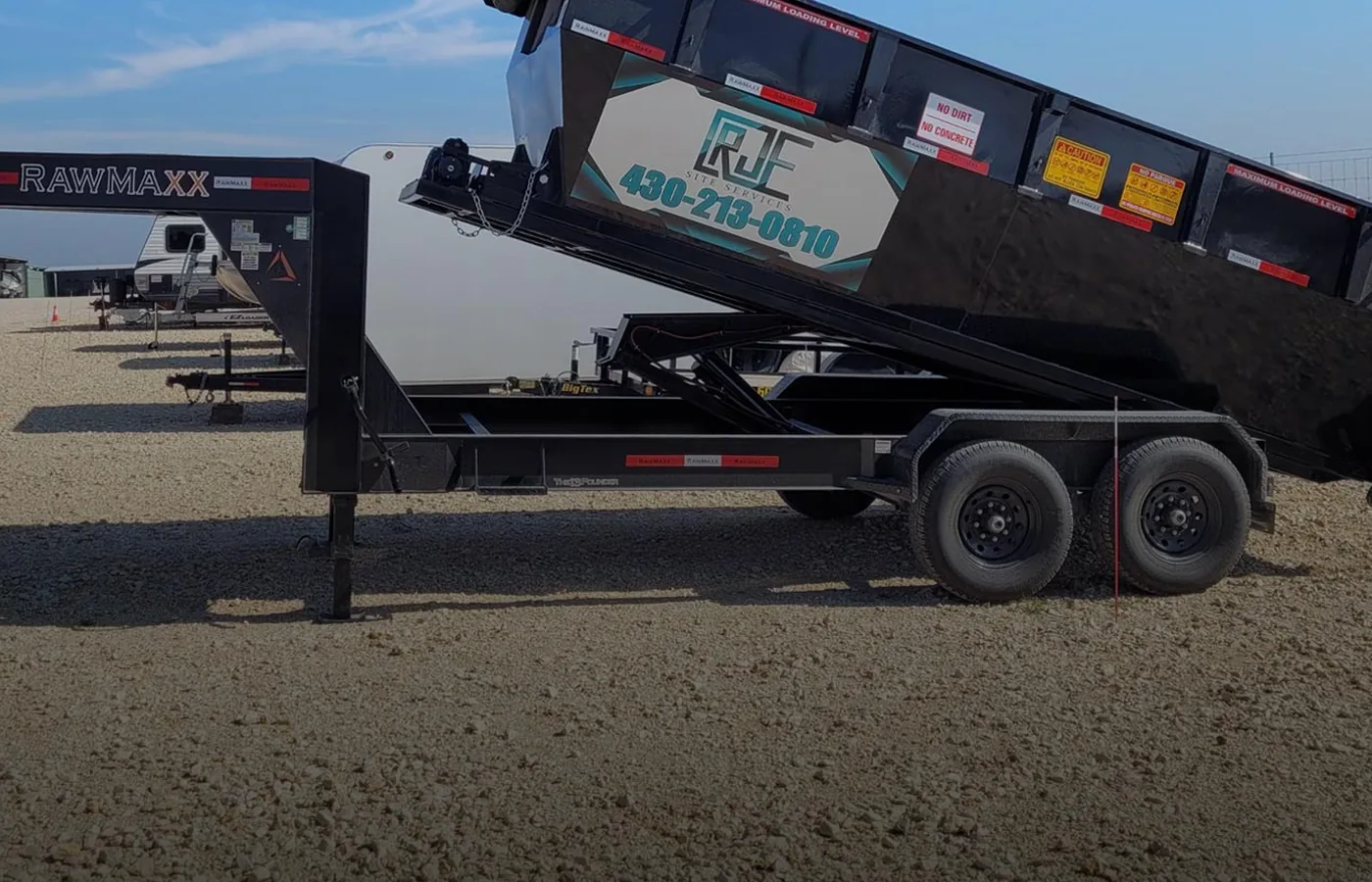
A 16-yard option can be a starting point for a more contained cleanup where access or total volume is limited. A 20-yard option can offer additional capacity for a larger cleanout or project debris. A 25-yard option can serve a higher-volume load. Those are selection concepts, not promises about a specific project. Container dimensions can vary by option. Ask RJE for the actual length, width, and height of the container available for your dates.
Think about how material will fit. Long boards, furniture, cabinets, and irregular objects create empty pockets unless they can be safely broken down. Bagged clutter stacks differently from loose construction debris. A container that is larger by yardage may also have a different wall height, which affects hand-loading. Ask where the loading door is and how the fill line works. Never count on material extending over the sides. The provider must be able to transport the load safely and within the quoted rules.
Check access before capacity
The right capacity is useless if the container cannot be delivered to the planned spot. Walk the route from the street to the placement area. Check gate width, turns, parked vehicles, branches, wires, eaves, slopes, soft ground, irrigation, septic features, shared access, and the surface beneath the roll-off. The delivery vehicle needs working room beyond the container’s final footprint. Pickup needs that same route later, so do not plan to construct anything, park, or store material in the approach.
Placement permission is part of the decision. A private drive, managed parking lot, fire lane, street, alley, sidewalk, and public right-of-way can have different rules. Ask the property manager or local authority what applies before delivery. In New Braunfels, the City says its own dumpster-rental program is suspended and private haulers handle rentals; customers should still verify the provider and any placement requirements relevant to the site. A named service area does not erase property-specific access or permission issues.
Compare the full price, not just one number
Before you book, look at the full picture for each size: delivery and pickup, the rental period, material restrictions, relocation or exchange rules, and special-item handling. Extra days are $25 per day and weight over the allowance is $100 per ton. RJE's prices are set by size: 16-yard $425 for 3 days or $475 for 7 days; 20-yard $550 for 10 days or $800 for 30 days; 25-yard $650 for 10 days or $975 for 30 days.
Think about schedule risk. A slightly larger container is not automatically better, and a smaller container is not automatically cheaper once exchanges, extra time, or overweight material are considered. Match the container to a realistic loading plan. Decide who will load, when debris will be created, and what must happen before pickup. If the project is mostly bulky household contents and you do not want to carry them, compare a junk removal quote with the dumpster price rather than forcing the job into a self-load rental.
Make the request easy to answer
Send or describe the project address, preferred timing, material categories, largest items, estimated volume, heaviest debris, photos of the pile, photos of the approach, proposed placement, and any gate or property rules. Ask RJE which 16-, 20-, or 25-yard option is available and why it fits. Keep restricted or uncertain material separate until you receive a current answer.
The practical outcome is not choosing the biggest box. It is choosing a container that can reach the site, accept the stated material, hold the planned load within its weight rules, and remain available for the time you need. Call RJE at (430) 213-0810 to check availability. Online booking is being updated, so call RJE to check availability and schedule.
Ready to Schedule Your Dumpster?
Book a dumpster online, or call (430) 213-0810 for a junk removal or small demolition quote. We serve homes, businesses, and job sites.
Book Now Junk Removal or Demolition Quote